
The New Factory at 860 Broadway
The Andy Warhol DiariesThis thread traces Warhol’s office life as his art practice, publishing operation, and circle of collaborators converge at 860 Broadway.
increasing Bearing strength in each event
 decreasing
Bearing strength in each eventdecreasingA Shared Third Floor
A Shared Third Floor
Factory becomes office
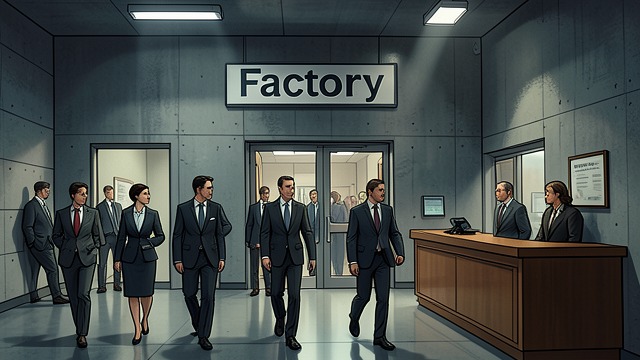
Warhol moved his operation to 860 Broadway, half a block from Union Square, and increasingly called the workplace simply “the office.”
The building combined administrative rooms, Interview magazine’s operation, and Warhol’s working area.
New responsibilities
Vincent Fremont managed office operations while Fred Hughes handled many business decisions and the art career.
Magazine and Studio Together
Magazine and Studio Together
One crowded workplace
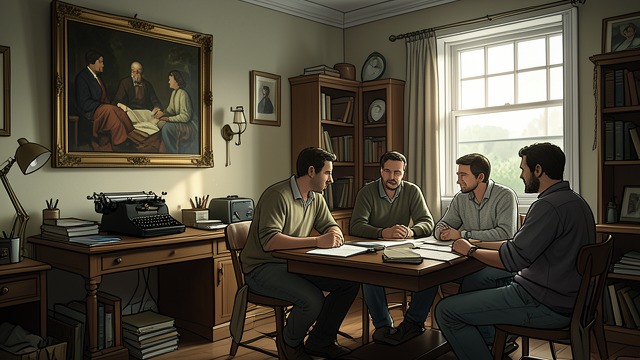
Interview and Warhol’s personal office occupied adjoining areas, yet Warhol treated magazine staff as separate from his own “family.”
He described the staff as “them” and his close employees as “us,” a division that shaped everyday access and belonging.
Art in the back
Warhol worked on paintings and images near the freight elevator while office business continued around him.
Visitors and Lunches
Visitors and Lunches
A public-facing office
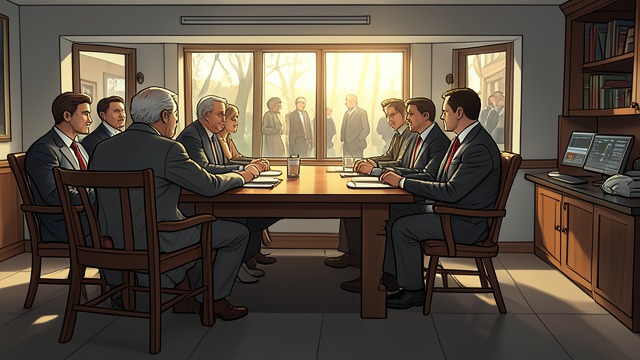
Artists, celebrities, potential advertisers, and acquaintances arrived for interviews, portraits, lunches, and informal visits.
The conference room became a social and professional stage, where business could share space with gossip and interruptions.
A crowded ecosystem
The office depended on employees with different roles, but poor coordination and competing priorities repeatedly disrupted work.
Expansion and Displacement
Expansion and Displacement
Room becomes scarce
Interview’s growth and new staff crowded out parts of Warhol’s working space.
Warhol worried about finding somewhere to paint as the office absorbed rooms and the building’s facilities became less reliable.
The building’s changing use
Construction of a neighboring discotheque brought noise, inconvenience, and anxiety about the premises’ future.
A New Building
A New Building
A major investment
Warhol and his associates acquired a building on East 33rd Street, envisioning more space for both art and the magazine.
The move promised room to grow but also created new financial obligations, construction problems, and questions about how to use the space.
Separation from the old base
Leaving 860 Broadway meant giving up a familiar workplace whose crowded, improvised character had shaped the daily routine.
Summer 1974
Mid-1970s
Late 1970s to early 1980s
Early 1980s
October 1981 onward
